
SPOILER ALERT!
Taking Care Of Leaky Faucets And Other Minor Plumbing Issues Yourself.
Content create by-Cochran Guldager
You've done it. You're ready to handle your home's plumbing maintenance and repair. What perfect timing! You probably have tons of questions on how to start and what to do, but fear not, this article can help you. Listed below are some tips that will help you get started with your plumbing aspirations.
Ensure that everyone in your household knows how to turn off the main water supply, or knows how to contact someone who can. In the event of a burst pipe or other water-related emergency, you should immediately turn off the water to prevent flooding, structural damage, and a sky-high water bill.
Find a better way to discard of cooking oil instead of pouring it down the drain where it can easily clog your pipes. Keep a coffee can or other metal container handy to pour grease into after cooking. Place the can in the freezer to harden the grease and when it's full, discard it with the trash.
You do not give the plumber all the money until he is finished with his work. In some cases, you have to make a down payment prior to the first day of work. This is okay to do; however, don't let your plumber talk you into paying the entire cost of a job before he's finished, and never pay the whole cost before he's even begun. You will feel better paying the bill when you are completely satisfied with the job.
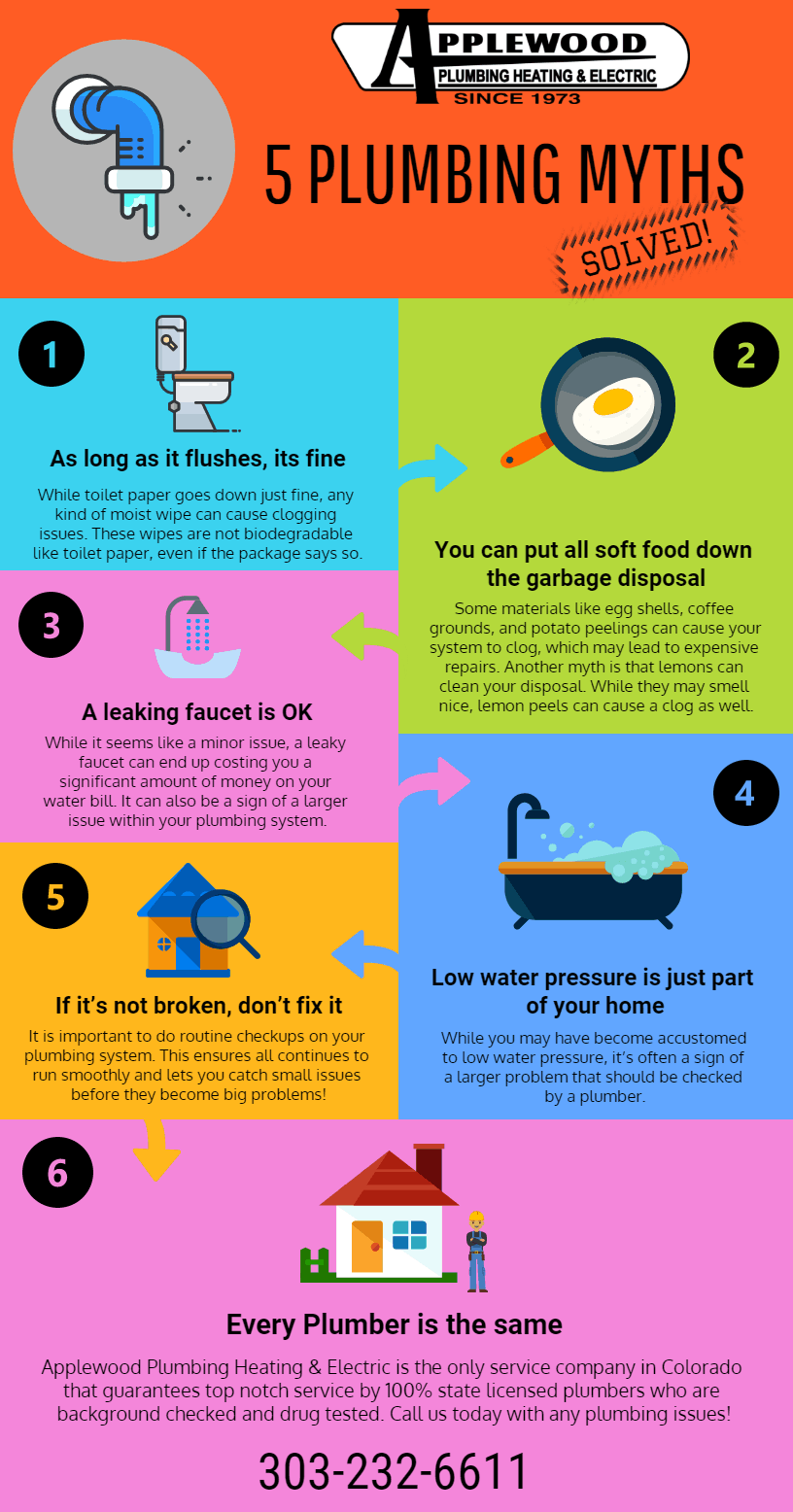
Do not let your faucet leak. Did you know a leaky faucet can waste about 150 gallons of water every day? If you have a leak, never ignore it. It could be coming from the faucet or the pipes. Continually check pipes and faucets for extra moisture or small leaks.
Check https://www.wellandgood.com/how-to-unclog-shower-drain/ for leaks. Check the knobs and the faucet itself. Hundreds of gallons of water a day can be wasted due to leaks and that's not good if you're paying your water bill. By stopping a leak now, you can save yourself a lot of money. Leaks can grow over time as well, so avoid a disaster and check all faucets for leaks!
Make sure that you disconnect all hoses outside your house when the fall season hits. This is important to reduce the chance of freezing, which can cause damage to the connecting pipes. Disconnect all of your water hoses and store them safely to put your family in the best position for the fall.
Make sure everyone in your home knows where the main water shut off valve is and that they know how to work it. That way, if there is a water problem, anyone in your household can turn off the water, thereby reducing the chances that your home will incur major water damage.
To prevent the most common kitchen sink clogs, avoid putting any sort of solid foods down your drain. cleaning a kitchen drain , such as eggs and vegetable and fruit waste actually harden with exposure to cold water and over time can form clogs that are next to impossible to remove without professional help.
Avoid flushing cotton balls, cotton swabs and any feminine sanitary products down the toilet. Even small panty liners can cause big problems because their adhesive backing can stick to pipes and cause stoppages. Keep a small, covered wastebasket next to the toilet to encourage guests to properly dispose of used sanitary articles.
Be careful with putting household cleaners in your toilet. They can cause the toilet to malfunction. The debris that these cleaners leave can sit in your toilet's pipes and harden, making them almost impossible to get rid of. If it does harden, it usually requires the help of a professional.
Every now and then, you should pour a large bucket of water down your basement floor drain. This will help to keep the trap seal full and prevent certain gases from coming up into your home. Also, be sure that you have your floor drain checked by a professional every few years.
Though you may have no option as to which plumber comes, you can research them at any rate. When your insurance company takes care of choosing a plumber for you, it is important to still look at their website, reviews and any customer comments they have. This will allow you to feel prepared when they come to your house.
Never hire a plumber that is not licensed, insured and bonded. If the plumbing company cannot provide you with reference numbers for their credentials, move on quickly. It is a common question and it should be a no-brainer for them to provide them to you. If they have issues with you asking, take that as a big red flag.
Do a routine check around your house each month on each and every faucet to make sure there are no signs of leaks or drips. Over time, leaks can add a lot of money to your water bill and will worsen if you do not take care of the problem.
Look at your hot water heater and make sure that the temperature is not higher than 120 degrees Fahrenheit. If it is, it could cause you to get burned or it could reduce the unit's energy consumption. If you determine that the temperature is too high, adjust immediately to avoid any of these things from happening.
When installing https://squareblogs.net/barbara80shane/find-the-best-plumbing-technician-for-your-demands need to keep your budget in mind for the upcoming purchase. Low entry gas water heaters usually start around $200 and they usually hold 40 to 50 gallons. Higher line heaters start around $400 and they usually have extra features like 12 year warranties.
If you hear loud, vibrating noises coming from your pipes, you may want to consider adding air chambers to the end of the pipes and tightening them. Usually, these noises are caused from opening and closing faucets too quickly and tightening the pipes and adding air chambers can fix this problem.
As you can see from the above list of tips, maintaining and repairing your own plumbing can be very time and money-saving in the long run if you know what you are doing. After following these tips, you will no longer be new to plumbing, but you will become a plumbing expert.
You've done it. You're ready to handle your home's plumbing maintenance and repair. What perfect timing! You probably have tons of questions on how to start and what to do, but fear not, this article can help you. Listed below are some tips that will help you get started with your plumbing aspirations.
Ensure that everyone in your household knows how to turn off the main water supply, or knows how to contact someone who can. In the event of a burst pipe or other water-related emergency, you should immediately turn off the water to prevent flooding, structural damage, and a sky-high water bill.
Find a better way to discard of cooking oil instead of pouring it down the drain where it can easily clog your pipes. Keep a coffee can or other metal container handy to pour grease into after cooking. Place the can in the freezer to harden the grease and when it's full, discard it with the trash.
You do not give the plumber all the money until he is finished with his work. In some cases, you have to make a down payment prior to the first day of work. This is okay to do; however, don't let your plumber talk you into paying the entire cost of a job before he's finished, and never pay the whole cost before he's even begun. You will feel better paying the bill when you are completely satisfied with the job.
Do not let your faucet leak. Did you know a leaky faucet can waste about 150 gallons of water every day? If you have a leak, never ignore it. It could be coming from the faucet or the pipes. Continually check pipes and faucets for extra moisture or small leaks.
Check https://www.wellandgood.com/how-to-unclog-shower-drain/ for leaks. Check the knobs and the faucet itself. Hundreds of gallons of water a day can be wasted due to leaks and that's not good if you're paying your water bill. By stopping a leak now, you can save yourself a lot of money. Leaks can grow over time as well, so avoid a disaster and check all faucets for leaks!
Make sure that you disconnect all hoses outside your house when the fall season hits. This is important to reduce the chance of freezing, which can cause damage to the connecting pipes. Disconnect all of your water hoses and store them safely to put your family in the best position for the fall.
Make sure everyone in your home knows where the main water shut off valve is and that they know how to work it. That way, if there is a water problem, anyone in your household can turn off the water, thereby reducing the chances that your home will incur major water damage.
To prevent the most common kitchen sink clogs, avoid putting any sort of solid foods down your drain. cleaning a kitchen drain , such as eggs and vegetable and fruit waste actually harden with exposure to cold water and over time can form clogs that are next to impossible to remove without professional help.
Avoid flushing cotton balls, cotton swabs and any feminine sanitary products down the toilet. Even small panty liners can cause big problems because their adhesive backing can stick to pipes and cause stoppages. Keep a small, covered wastebasket next to the toilet to encourage guests to properly dispose of used sanitary articles.
Be careful with putting household cleaners in your toilet. They can cause the toilet to malfunction. The debris that these cleaners leave can sit in your toilet's pipes and harden, making them almost impossible to get rid of. If it does harden, it usually requires the help of a professional.
Every now and then, you should pour a large bucket of water down your basement floor drain. This will help to keep the trap seal full and prevent certain gases from coming up into your home. Also, be sure that you have your floor drain checked by a professional every few years.
Though you may have no option as to which plumber comes, you can research them at any rate. When your insurance company takes care of choosing a plumber for you, it is important to still look at their website, reviews and any customer comments they have. This will allow you to feel prepared when they come to your house.
Never hire a plumber that is not licensed, insured and bonded. If the plumbing company cannot provide you with reference numbers for their credentials, move on quickly. It is a common question and it should be a no-brainer for them to provide them to you. If they have issues with you asking, take that as a big red flag.
Do a routine check around your house each month on each and every faucet to make sure there are no signs of leaks or drips. Over time, leaks can add a lot of money to your water bill and will worsen if you do not take care of the problem.
Look at your hot water heater and make sure that the temperature is not higher than 120 degrees Fahrenheit. If it is, it could cause you to get burned or it could reduce the unit's energy consumption. If you determine that the temperature is too high, adjust immediately to avoid any of these things from happening.
When installing https://squareblogs.net/barbara80shane/find-the-best-plumbing-technician-for-your-demands need to keep your budget in mind for the upcoming purchase. Low entry gas water heaters usually start around $200 and they usually hold 40 to 50 gallons. Higher line heaters start around $400 and they usually have extra features like 12 year warranties.
If you hear loud, vibrating noises coming from your pipes, you may want to consider adding air chambers to the end of the pipes and tightening them. Usually, these noises are caused from opening and closing faucets too quickly and tightening the pipes and adding air chambers can fix this problem.
As you can see from the above list of tips, maintaining and repairing your own plumbing can be very time and money-saving in the long run if you know what you are doing. After following these tips, you will no longer be new to plumbing, but you will become a plumbing expert.
